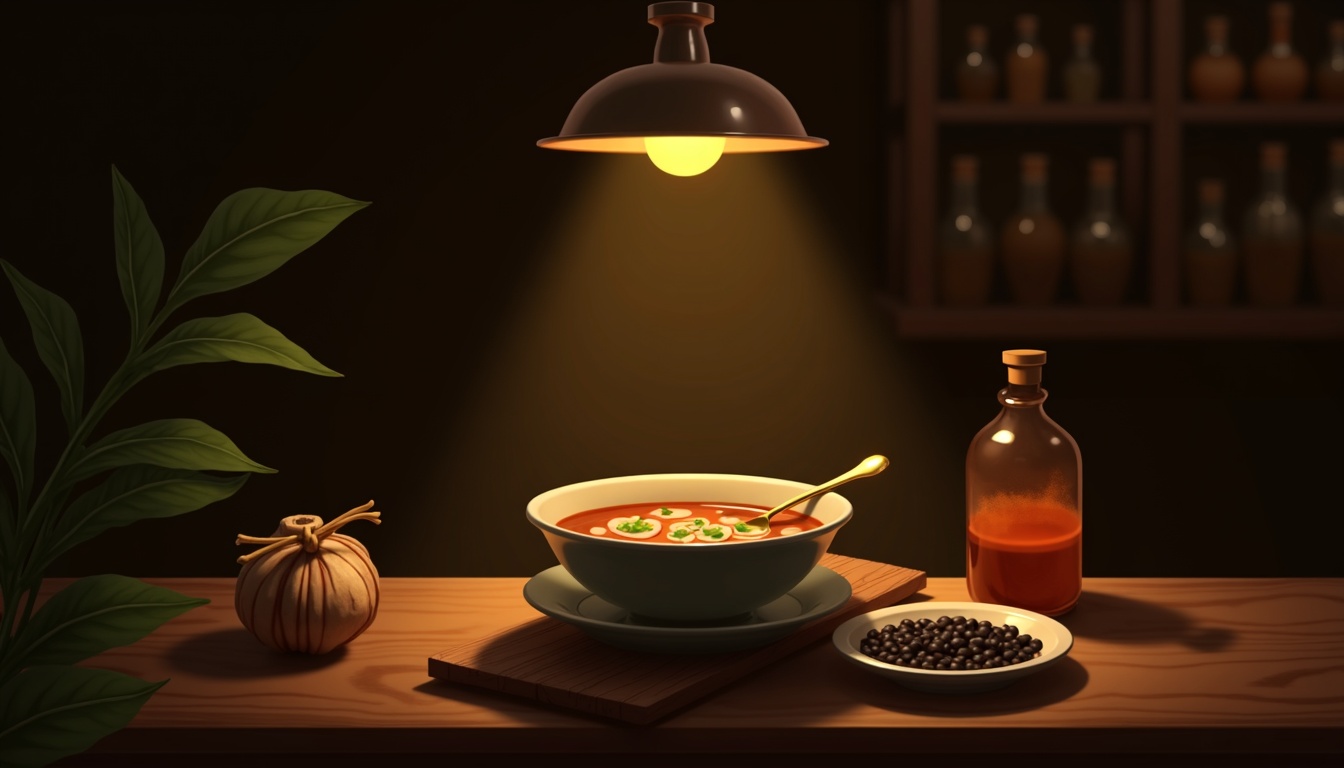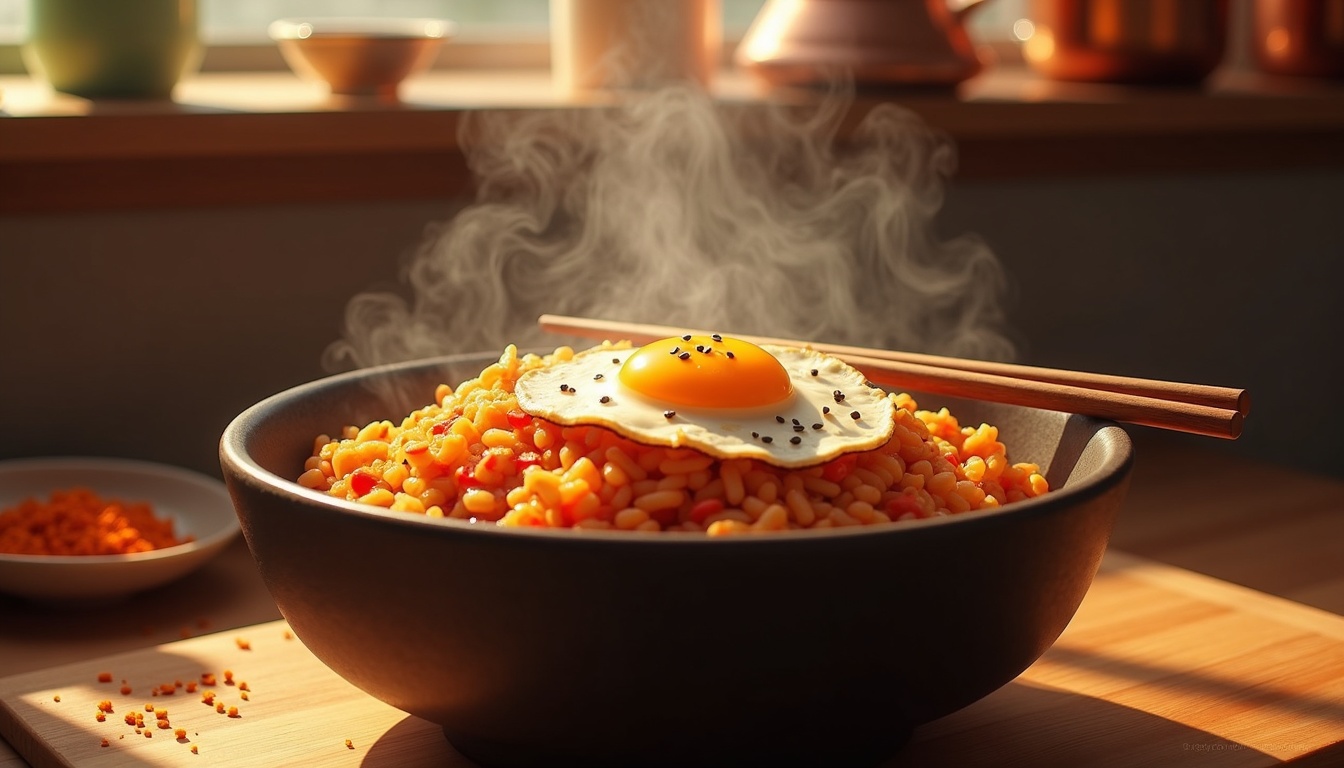
The Korean concept of 약식동원 (yak-sik-dong-won) — food and medicine share the same origin — isn't philosophy. It's a clinical framework. Korean medicine has never separated what you eat from how you feel, and for the menopausal transition specifically, it developed a detailed food-based protocol over centuries of observation. I grew up eating most of these foods. My halmeoni didn't know what a GABA receptor was. She just knew these foods helped women sleep, helped women recover, helped women through the hard seasons. Turns out she was right — for reasons she didn't need to name.
Western nutrition research is now catching up to many of these mechanisms. Some of the findings are specific enough to be useful. Here's what the evidence actually says — food by food — and how to use it.
대추 (Daechu) — Jujube: The Sleep Food With Real Mechanisms
Jujube is the most evidence-supported Korean sleep food, and also the most dismissed. It gets filed under "herbal remedy" and waved away. That's a mistake. The mechanism is more specific — and more directly relevant to perimenopause — than most people realise.
Jujube contains saponins — specifically jujubosides A and B — that interact directly with GABA receptors in the brain. GABA is the primary inhibitory neurotransmitter: when it's active, the nervous system quiets and sleep deepens. This is the same pathway that benzodiazepines target pharmacologically, and it's the same pathway that progesterone uses naturally. When progesterone declines in perimenopause, GABA activity drops with it. Sleep becomes lighter, more fragmented, harder to initiate.
Clinical research has shown that jujube extract can increase total sleep time and improve sleep stage distribution — specifically increasing the proportion of deep sleep relative to light sleep. The effect is mild compared to pharmaceutical sleep aids, but the mechanism is real and the risk profile is negligible. (Animal studies and traditional use are promising — large-scale human trials remain limited.) Jujube is a food, not a supplement.
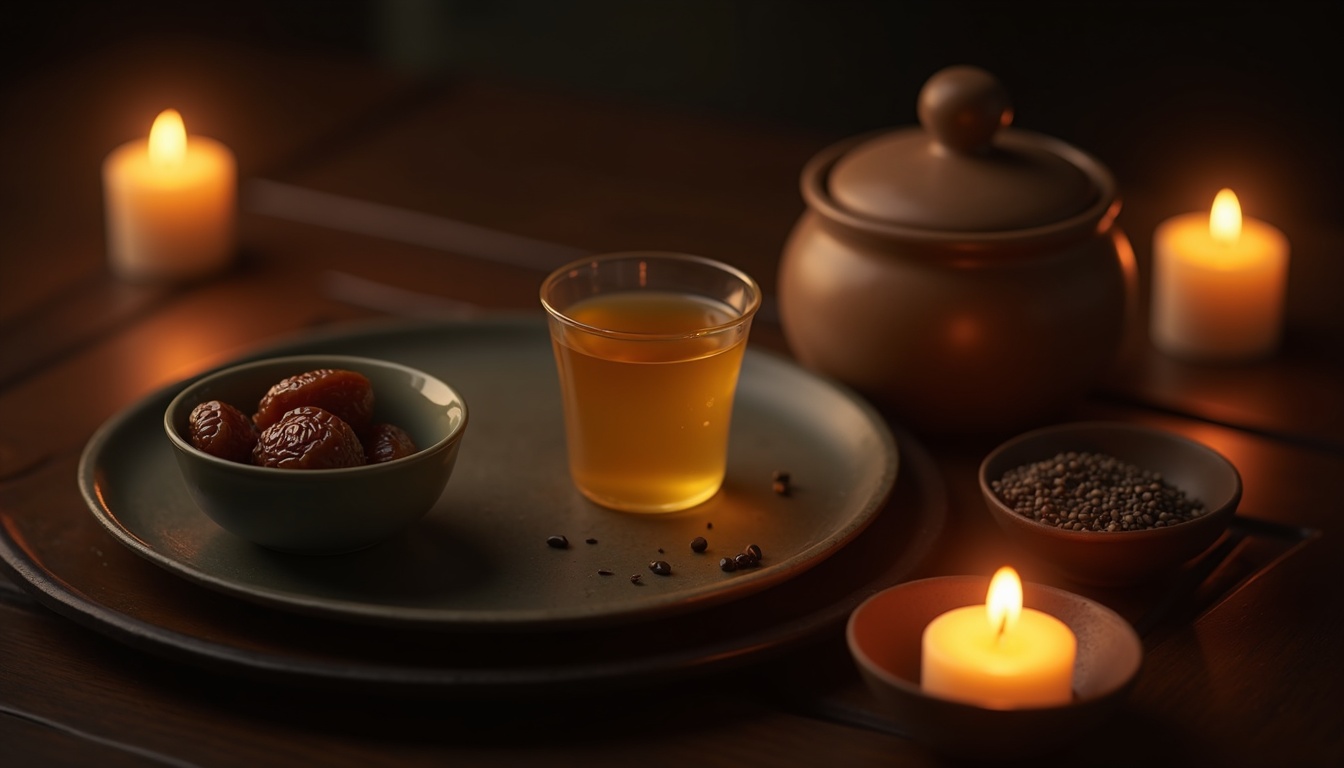
Korean preparation: 대추차 (daechu-cha). Simmer 5–6 dried jujubes in 500ml of water for 15 minutes. Drink warm in the hour before bed. The traditional preparation includes a slice of ginger — which Korean medicine uses to improve qi circulation and reduce the sedative effect being too heavy. The combination is cooling without being cold, calming without sedating.
"Jujube works on the GABA pathway — the SAME system that progesterone supports and that perimenopause disrupts. It's not folklore. It's a food-based GABA modulator with 1,500 years of clinical observation and growing research behind it."
보리차 (Boricha) — Barley Tea: The Evening Default
Barley tea is the default evening drink in Korean households — it's what comes out of the fridge, what gets poured at dinner, what's served warm in winter. The cultural ubiquity is the point: Korean medicine embeds its interventions into daily practice rather than separating them into a supplement routine. You don't think about it. You just drink it. That's how habits actually form.
For perimenopause specifically, barley tea has three properties that matter. It's completely caffeine-free — which matters because caffeine sensitivity increases during perimenopause and late caffeine further disrupts the already-dysregulated cortisol timing. It has mild diuretic properties that reduce the night-time urgency that wakes many perimenopausal women. And in Korean medicine it's classified as a cooling food — useful for sang-yeol (상열), the rising heat pattern that drives hot flashes and night sweats.
The research on barley tea specifically for sleep is thin. The mechanism for the cooling effect isn't well characterised in Western literature. But as a direct replacement for evening herbal teas that contain caffeine (including some green teas and many "calming" blends), it's a clear upgrade. The Korean practice of drinking it slightly warm — not hot — is the correct preparation for perimenopause: warm enough to be soothing, cool enough not to add to internal heat.
흑임자 (Heukimja) — Black Sesame: Hormonal Support in a Seed
Black sesame isn't interchangeable with white sesame — and this is not a minor distinction. The black variety has a significantly higher concentration of lignans — phytoestrogens that modulate oestrogen receptor activity. Lignans don't behave like pharmaceutical oestrogen. They're selective: they can weakly activate oestrogen receptors when oestrogen is low, and weakly block them when oestrogen is high. In the context of perimenopause — where oestrogen is fluctuating unpredictably rather than simply declining — this buffering effect is genuinely useful.
The fat profile of black sesame also matters. High in oleic and linoleic acids, it supports the integrity of mitochondrial membranes — relevant because mitochondrial dysfunction is a primary driver of perimenopause fatigue (see companion article). Fat-soluble vitamins including Vitamin D, which is frequently deficient in perimenopausal women and which affects both sleep quality and hormonal signalling, require dietary fat for absorption.

Amazon Associate links — I earn a small commission at no extra cost to you.
Korean preparation: 흑임자죽 (heukimja-juk) — black sesame porridge. Ground black sesame simmered with rice and water into a thin porridge, served warm. It's a traditional breakfast food for women in hormonal transition. For daily use without the porridge: a tablespoon of ground black sesame stirred into warm water, oat milk, or congee in the morning. Ground, not whole — the sesame hull reduces digestibility of whole seeds significantly.
검은콩 (Geomeun-kong) — Black Beans: Magnesium and Phytoestrogens Together
Black beans deliver two mechanisms in one food. First, isoflavones — a class of phytoestrogens with modest oestrogen receptor activity, consumed in significant quantities in traditional Korean and Japanese diets. The epidemiological data from these populations consistently shows lower rates of severe menopausal symptoms compared to Western counterparts, and isoflavone intake is one of the better-studied variables.
Second, magnesium. Black beans are magnesium-dense, and magnesium is a direct cofactor in ATP synthesis — mitochondria require it to produce energy. Magnesium deficiency is extremely common in perimenopausal women and contributes to both fatigue and poor sleep. The glycinate form of magnesium (supplement) is better absorbed and more sleep-specific, but food-source magnesium from black beans contributes meaningfully to baseline levels.
Korean preparation: boiled and eaten as a side dish (검은콩조림, geomeun-kong-jorim — black beans simmered in soy sauce and sesame oil), or added to rice during cooking. Not processed, not as powder, not as isolate. The traditional preparation preserves the fibre that moderates the isoflavone absorption rate. Fast-absorbing isoflavone supplements have a different and less well-characterised effect profile.
사골국 (Sagol-guk) — Bone Broth: Glycine and the Glymphatic System
Korean bone broth is a long-simmered beef bone stock — milky white from collagen breakdown, mild in flavour, consumed as a standalone soup or as the base for other dishes. It's specifically given to women postpartum and during the menopausal transition as a restorative food. The cultural classification is 보양식 (boyangshik) — energy-replenishing food.
The relevant mechanism for sleep: glycine. Bone broth is one of the richest dietary sources of glycine, an amino acid with a specific and well-studied effect on sleep. Glycine taken before bed reduces core body temperature (the same drop needed to initiate deep sleep), improves sleep architecture by increasing slow-wave sleep, and reduces next-day fatigue. For perimenopausal women whose thermoregulatory system is already dysregulated, a glycine-rich evening food directly supports the temperature mechanism that perimenopause is disrupting.
A bowl of sagol-guk as the evening meal — or as a warm drink in the hour before bed — is one of the most mechanistically coherent Korean practices for perimenopausal sleep. Warm, low glycaemic, glycine-rich, deeply nourishing. Korean medicine classified it as restorative for good reason.
된장 (Doenjang) — Fermented Soybean Paste: The Gut-Sleep Connection
Doenjang is Korean fermented soybean paste — aged, pungent, deeply savoury. It's not a flavour addition; it's a food with a distinct biological profile. Fermentation transforms soybeans in ways that matter: it increases the bioavailability of isoflavones, produces beneficial bacteria that support gut microbiome diversity, and reduces the anti-nutrients that limit mineral absorption in unfermented soy.
The gut-sleep connection is increasingly well-established. The gut microbiome produces precursors to serotonin — the daytime neurotransmitter that converts to melatonin at night. Gut dysbiosis (common during perimenopause, partly driven by oestrogen's role in microbiome regulation) disrupts this conversion pathway. Fermented foods that support microbiome diversity — doenjang, kimchi, gochujang — support the gut-brain axis that melatonin production depends on.
Doenjang-guk (된장국) — miso-style soup made with doenjang — is a staple of the Korean evening meal. The traditional meal structure of rice, doenjang-guk, kimchi, and a protein side is, mechanistically, a very well-constructed pre-sleep meal: low glycaemic, fermented, warm, modest in volume, finished well before bed.
The Evening Food Protocol
The individual foods matter less than the pattern. Korean medicine doesn't prescribe isolated supplements — it designs a way of eating that accumulates effect over time. For perimenopause sleep specifically, the evening food pattern that emerges from both Korean tradition and the mechanistic research looks like this:
6–7pm: Last meal of the day. Warm, cooked, easily digested. The traditional Korean dinner structure works well: rice, doenjang-guk, a protein (fish, egg, or tofu), kimchi, a vegetable side. Include black beans in the rice or as a side. Avoid raw salads and cold foods as the primary meal — the digestive load is higher and the cooling effect counterproductive in the evening.
7–8pm: Black sesame. A tablespoon of ground black sesame in warm water or stirred into a small bowl of congee if you're still slightly hungry. This is the lignan and mitochondrial fat dose. Not a large serving — a condiment quantity.
8–9pm: Bone broth. A small cup of sagol-guk — warm, not hot. This delivers glycine in advance of the sleep period and provides mild warmth that will be followed by a cooling as the body dissipates it. If you're doing the warm bath at 9pm, take the broth before it.
9–10pm: Jujube tea. 대추차 — 5-6 dried jujubes simmered 15 minutes in 500ml water. Drink in the hour before sleep. This is the GABA-pathway intervention. Drink it warm. The window matters: too early and the mild sedative effect wears off; too close to sleep and you're adding liquid that wakes you at 3am.
Replace any evening caffeine with barley tea. 보리차 can be drunk throughout the evening. It's the Korean default for good reason — caffeine-free, mild, cooling, culturally embedded enough to become habitual without effort.
None of these foods will resolve severe perimenopausal insomnia on their own. They work as part of the full architectural picture: room temperature, no alcohol, no late eating, morning light exposure. But within that picture, the Korean food protocol is the most culturally specific and mechanistically coherent nutritional approach to perimenopausal sleep that exists. It didn't emerge from a supplement company. It emerged from centuries of women figuring out what actually helped — and passing it forward. That's a kind of evidence too.
Frequently Asked Questions
The most evidence-supported are: jujube (대추) for GABA-active saponins that directly address the progesterone-sleep pathway; barley tea (보리차) as a caffeine-free cooling evening drink; black sesame (흑임자) for lignans that modulate oestrogen activity; black beans (검은콩) for phytoestrogens and magnesium; and bone broth (사골국) for glycine which improves deep sleep architecture and reduces core body temperature before bed.
There is real mechanistic evidence. Jujube contains jujubosides that interact with GABA receptors — the same pathway progesterone uses and that perimenopause disrupts. Clinical studies show jujube extract can increase total sleep time and improve sleep stage distribution. The effect is mild, the risk profile is negligible, and it has 1,500 years of documented clinical use. It won't replace HRT or fix structural sleep problems, but as an evening ritual it has more support than most sleep supplements.
Food-source phytoestrogens from black beans, black sesame, and fermented soy (doenjang) are generally considered safe. Korean and Japanese women consume them in significant quantities daily — populations with historically lower rates of severe menopausal symptoms. They have much weaker activity than human oestrogen. Women with oestrogen-sensitive conditions should check with their GP before significantly increasing phytoestrogen intake, but food quantities are very different from supplement doses.
Last meal by 7pm (warm, cooked — rice, doenjang-guk, protein, kimchi). Black sesame in warm water at 7–8pm. A small cup of bone broth at 8–9pm. Warm bath at 9pm. Jujube tea in the hour before bed. Barley tea throughout the evening instead of any caffeinated drink. Bedroom at 65–67°F. This sequence addresses thermoregulation, the GABA pathway, gut-sleep connection, and circadian meal timing simultaneously.
The 3am Protocol
Ready to fix your sleep architecture?
28 days of circadian resets using Korean saenghwal practices and sleep science. No melatonin required.
Learn more →Some links in this article are Amazon Associate links. If you purchase through them, I earn a small commission at no extra cost to you. I only link products I'd genuinely recommend.