Most "healthified" versions of traditional foods fail because they remove the thing that made the food work in the first place. You strip the fat, reduce the salt, substitute this for that, and end up with something nobody wants to eat that also isn't actually more nutritious.
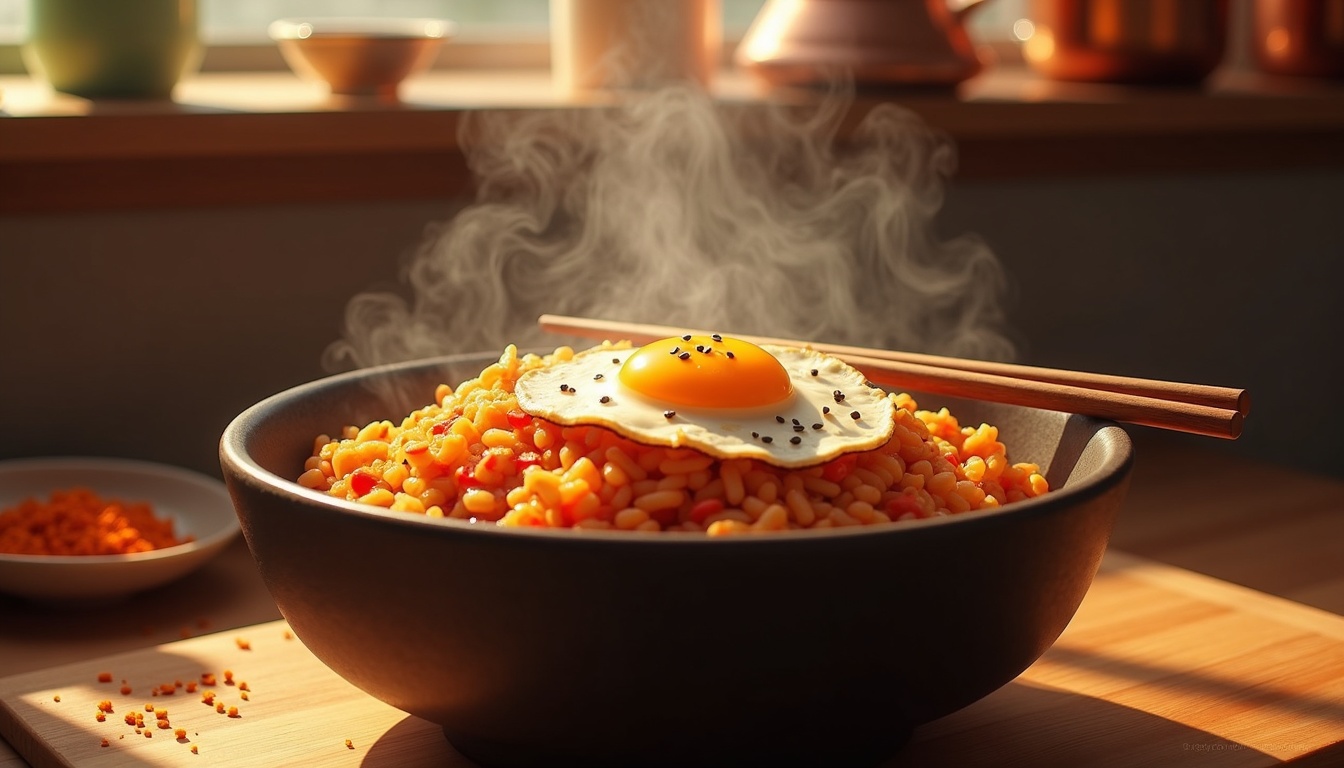
Kimchi fried rice doesn't have this problem. Actual traditional kimchi fried rice is already a sophisticated nutritional architecture. What changed in my kitchen wasn't the soul of the dish — it was removing the decisions that turned it into pure calories.
My halmeoni made this dish without thinking about fermentation science or resistant starch. She just knew it was good. Turns out she was optimising for things nutritional science is only now catching up to.
Why Kimchi Is a Functional Food (And Not a Condiment)
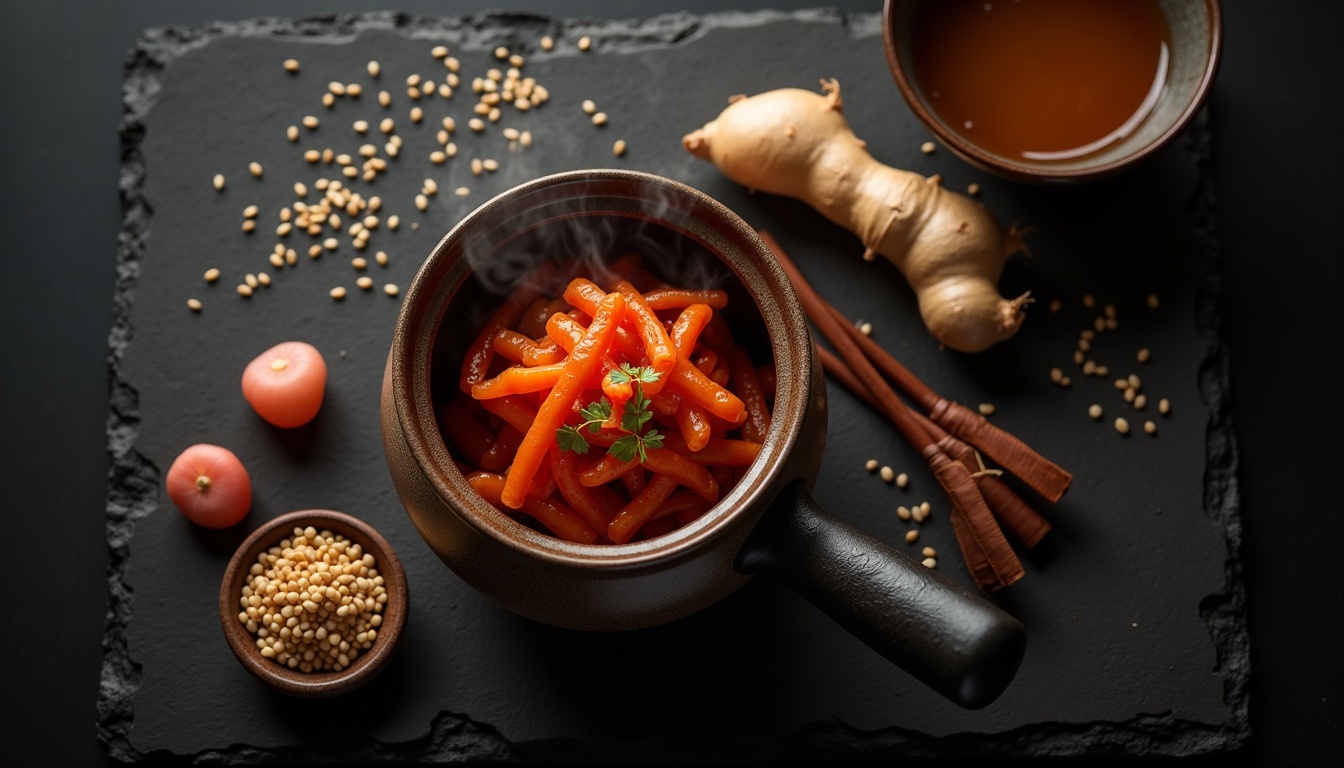
Kimchi is fermented vegetables. The mechanism: lactobacillus bacteria consume the carbohydrates in the vegetables, producing lactic acid (which preserves the food) and short-chain fatty acids (which feed your gut bacteria). This isn't mystical. This is biochemistry that has been happening in Korean kitchens for thousands of years because it works.
A portion of kimchi contains roughly 10⁷ to 10⁸ colony-forming units (CFU) of beneficial bacteria per gram — which sounds abstract until you realise that's more viable bacteria than most probiotic supplements. The cost of a jar: roughly what you'd pay for one week of supplements. The mechanism is identical. The food is a vehicle. The pasteurised jarred version from the supermarket shelf is a different thing entirely — the heat kills the bacteria. Worth knowing before you congratulate yourself on the kimchi with dinner.
"Kimchi fried rice works as a whole because of what it contains, not despite it. The goal is to keep the wisdom intact while making it fit actual eating patterns."
The Korean concept here is 발효 (balhyo) — fermentation not as technique but as philosophy. Preservation, medicine, and culture all in one vessel. When you eat kimchi, you're not consuming a dish — you're consuming the work of lactobacillus and the knowledge that has guided Korean cooking for centuries.
The Actual Changes I Made
Brown Rice Base Instead of White
The single most impactful swap. White rice is essentially purified carbohydrate — fast glucose spike. Brown rice contains the bran layer: fibre, vitamins, minerals, and resistant starch. The taste difference in a fried-rice context is negligible (the fat and fermented vegetables are doing the flavour work anyway). The satiety difference is dramatic.
Less Oil, Same Depth
Traditional recipe: often uses 3–4 tablespoons of oil per serving. I use 1.5–2. This is only possible because I'm using more kimchi as the fat carrier. Kimchi is already fat-rich from the oil infused during fermentation. You're not losing richness — you're concentrating it. More kimchi = more fermentation biology = more interesting food.
More Kimchi (And Kimchi Brine)
The brine is where the live bacteria live. Traditional recipes often strain the kimchi and discard the liquid. I keep it. The brine adds salty depth without reaching for more salt — and you're consuming the fermentation byproducts directly (lactate, acetic acid, beneficial flora). Proportionally: two parts vegetable to one part rice.
Add Protein Deliberately
A well-made traditional version usually includes some protein (pork, shellfish, sometimes egg). I wasn't removing this — I was being more intentional. One egg on top rather than mixed in (easier to control portion). This is optional. The base is complete without it.
The sesame oil. This is essential — not for calories but for the aroma and the finishing touch. A little goes far in a finished dish.
The gochugaru (red pepper flakes). The Capsaicin isn't just heat. It's thermogenic and has genuine anti-inflammatory properties documented in the research.


Amazon Associate links — I earn a small commission at no extra cost to you.
The salt. Fermentation needs salt. The salting isn't excessive once the brine is accounted for as a liquid component, not a condiment.
The method: high heat, wok technique, layering of flavour. This is non-negotiable. The technical execution is what makes it taste right.
The Recipe, Simplified
Two cups brown rice (cooled overnight in the fridge — this increases resistant starch). One cup kimchi plus half cup brine. One tablespoon and a half of sesame oil to start. High heat, one wok or large skillet. Add the kimchi and brine first, let it fry for 60 seconds. Add the rice, break apart, let it fry in contact with the hot surface for 90 seconds. This creates texture. Add any protein at the end (a beaten egg scrambled in, or pre-cooked protein). Finish with more sesame oil, fresh gochugaru if you like it spicier, a squeeze of lemon.
This is not a recipe that needs vegetables added (they're in the kimchi). It doesn't need soy sauce (the brine is already salty and complex). It doesn't need additional seasoning (if your kimchi is good, it's already balanced). The principle: trust the fermentation. Trust the technique. Let the kimchi and the wok do the work.
Why This Actually Works
The version I've landed on is lower in refined carbohydrate (brown rice) and higher in functional biology (more kimchi, live bacteria) without sacrificing the thing that makes the food worth eating: taste. It's not a sacrifice. It's not "better for you but tastes worse." It tastes richer, more complex, more interesting.
The mechanism: you've concentrated the nutrient density and the fermentation load while maintaining the textural and flavour architecture the dish is built on. No gimmicks. No substitutions that signal "I'm being healthy." Just making the dish work harder.
The 3am Protocol
Ready to fix your sleep architecture?
28 days of circadian resets using Korean saenghwal practices and sleep science. No melatonin required.
Learn more →Some links in this article are Amazon Associate links. If you purchase through them, I earn a small commission at no extra cost to you. I only link products I'd genuinely recommend.