Why Perimenopause Wrecks Your Sleep (It's Not the Hot Flashes)
Perimenopause insomnia is an architecture problem, not just a hot flash problem. Here's the hormonal mechanism — and what the research says actually helps.
The Complete Perimenopause Symptoms Checklist: 30+ Signs You Might Be Missing
Hot flashes are just the beginning. Joint pain, brain fog, heart palpitations, thinning hair — here's every documented symptom across 4 distinct clusters.
Perimenopause Brain Fog: Why You Can't Think Straight (And Why It's Temporary)
You're not losing your mind. Declining oestrogen affects acetylcholine synthesis — the neurotransmitter behind memory and focus. Here's the mechanism and why it's temporary.
Perimenopause Anxiety: Why Your Brain Suddenly Feels Wired (And What's Really Going On)
It's not "just stress." Declining progesterone reduces your brain's natural anxiolytic. Here's the GABA-A pathway — and the evidence-based tools that actually help.
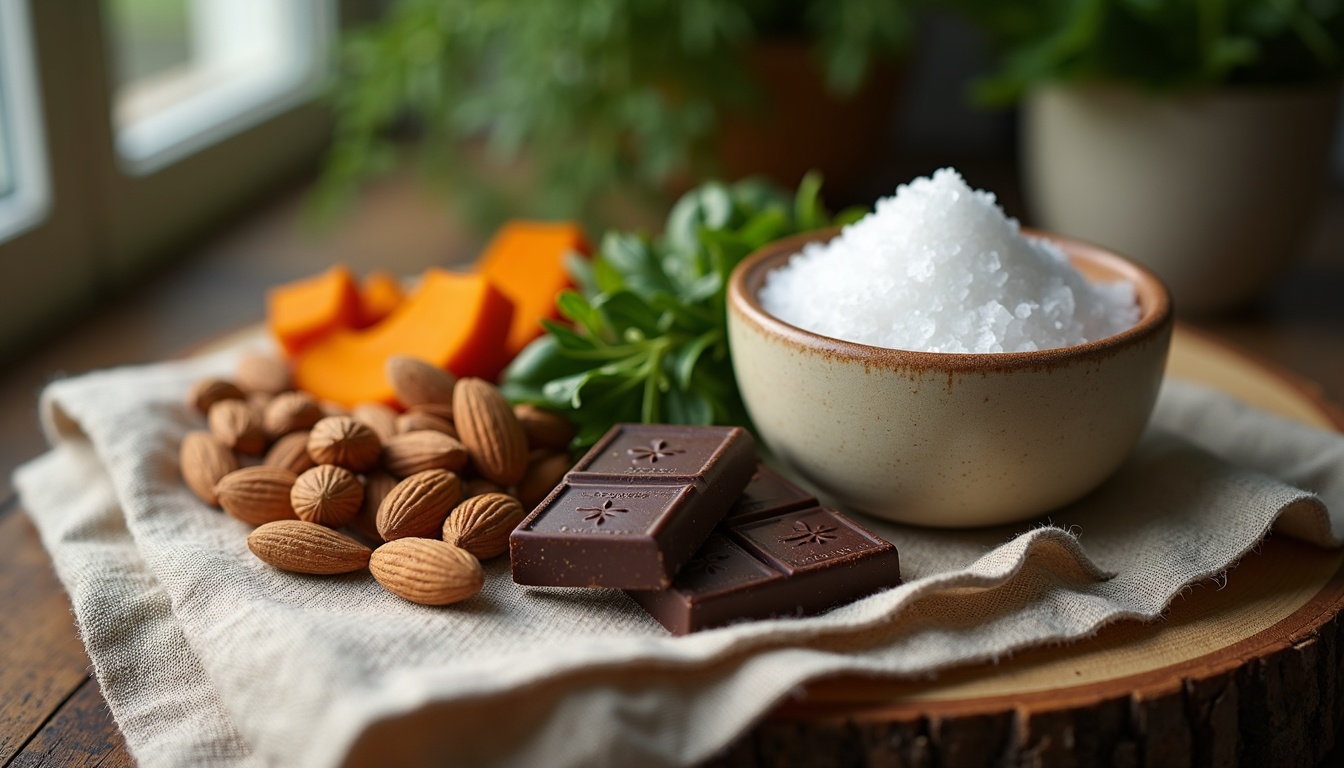
Magnesium for Perimenopause: Which Type Actually Works (And Which Is a Waste of Money)
Glycinate for sleep, threonate for brain fog, citrate for cramps. The form matters enormously — and most women are taking the wrong one.
Why You Can't Catch Up on Sleep (And What Actually Works)
The science of sleep debt is more unforgiving than you've been told — but there's a precise recovery window that most people miss entirely.
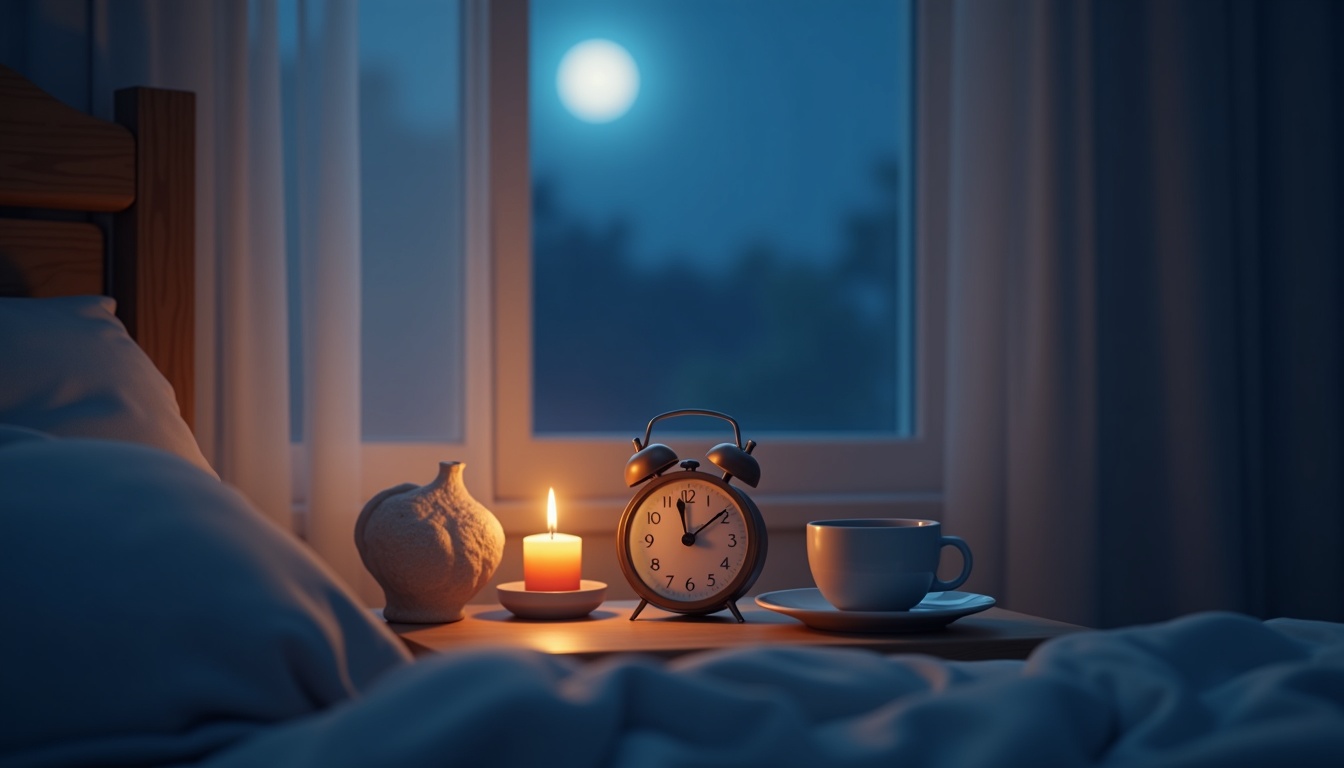
Why You Wake at 3am During Perimenopause — The Cortisol Mechanism
The 3am perimenopause wake-up isn't insomnia and it isn't anxiety. It's a cortisol signal arriving at the wrong time. Here's the exact mechanism — and what shifts it back.
Building Your Perimenopause Sleep Environment: The 5-Thing Setup
Sleep hygiene assumes your room is neutral. It isn't. Temperature, darkness, sound — here's exactly what to change and why it matters more during perimenopause.
Why You're Exhausted Even After 8 Hours
You're sleeping the right amount but waking up wrecked. The problem isn't duration — it's what's happening inside those 8 hours.
Perimenopause Ruined My Sleep. Here's What Actually Helped.
The honest picture is more complicated than either the dismissive medical mainstream or the supplement industry will tell you.
Perimenopause Fatigue Is Different. Here's Why Nothing's Worked.
Perimenopause fatigue isn't ordinary tiredness. It's a mitochondrial and hormonal energy crisis. Here's the mechanism — and what actually rebuilds it.
Adaptogens for Perimenopause: What's Actually Worth Taking
Ashwagandha, rhodiola, schisandra, maca — the evidence is real but uneven. Here's what actually works, what to skip, and how to start.
Korean Skincare for Perimenopause Skin: What Actually Works
Your skin didn't get drier and more reactive because of stress. It's oestrogen. And Korean skincare's barrier-first logic was built for exactly this transition.
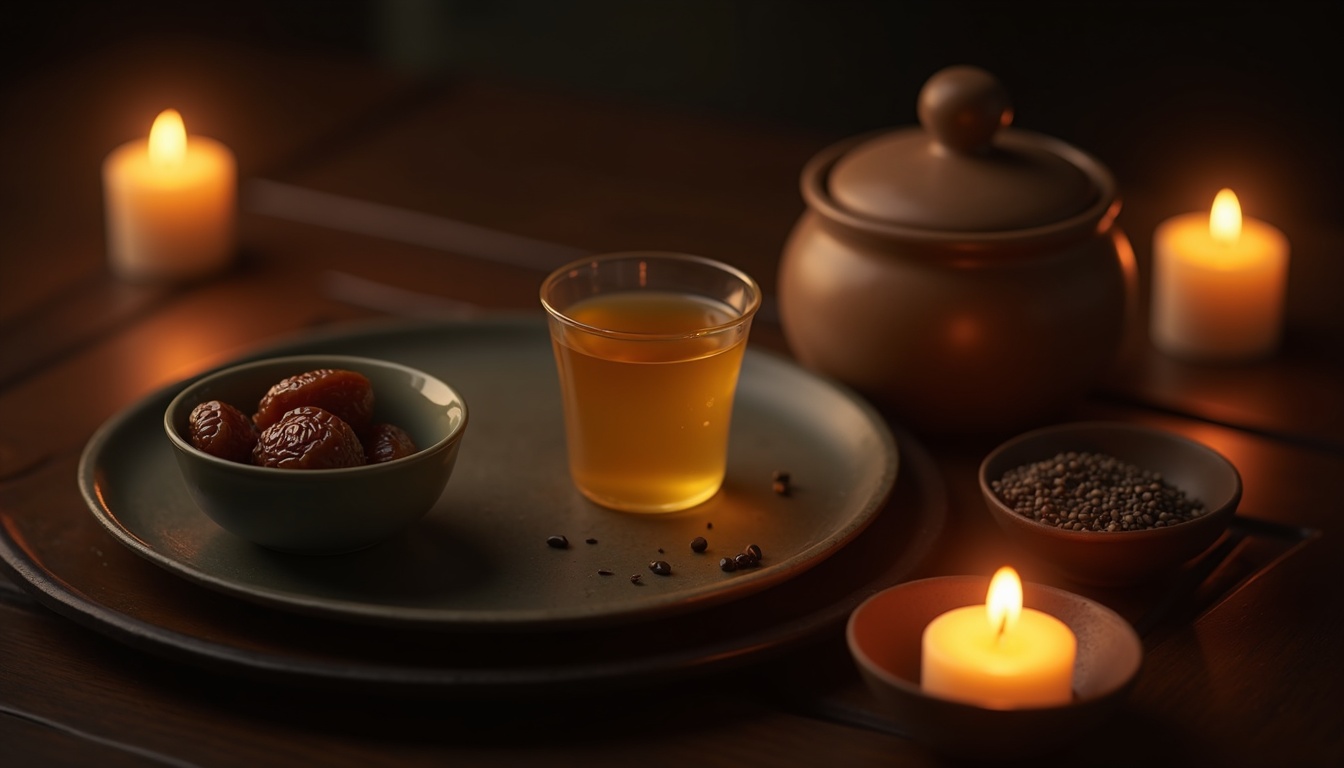
The Korean Foods That Actually Help Perimenopause Sleep
Korean medicine has been treating menopausal sleep disruption with food for centuries. Here are the specific foods — and the science behind why they work.
Nunchi: The Korean Art of Reading the Room
눈치 (nunchi) is usually translated as social awareness. In Korean culture it's closer to a full-body attunement — and I think of it as a nervous system practice.
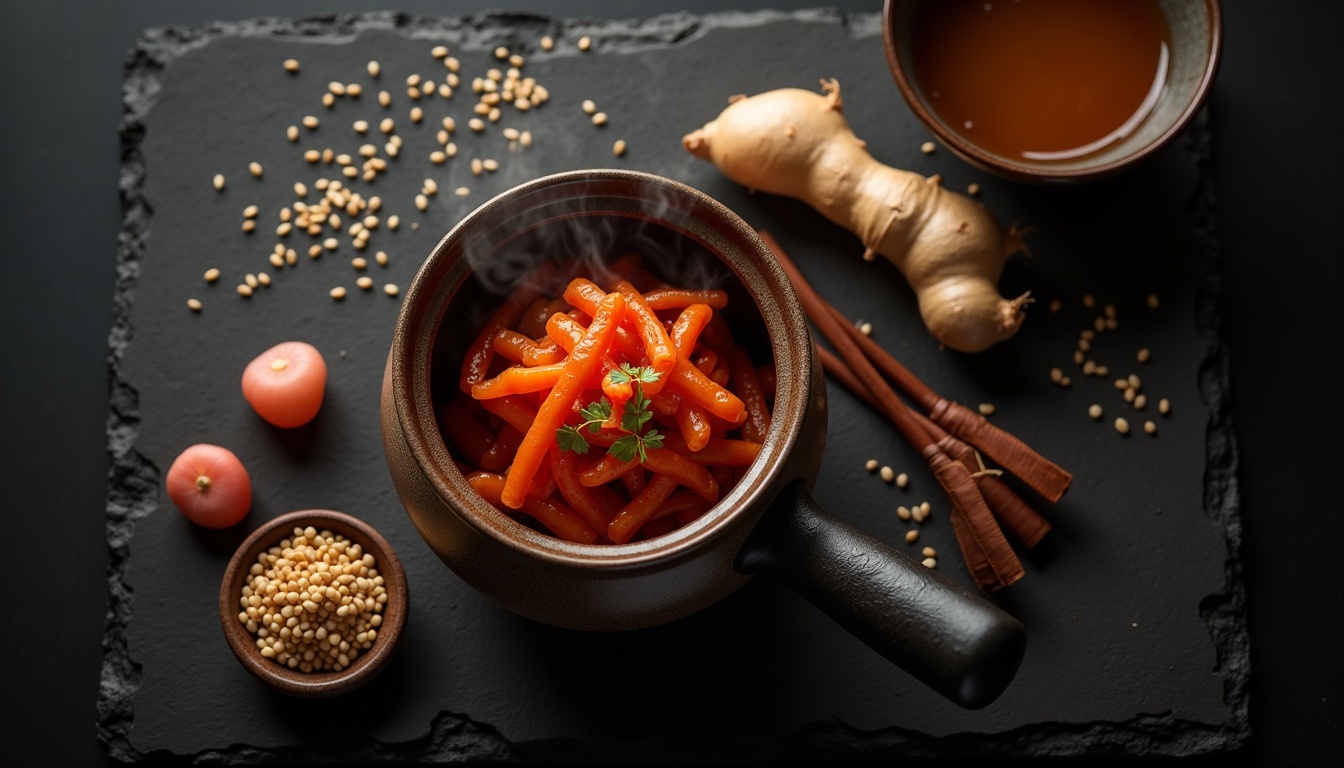
Your Gut Is Your Second Brain — But Not in the Way Influencers Mean
The gut-brain connection is real and well-evidenced. It's also one of the most mangled concepts in wellness content.
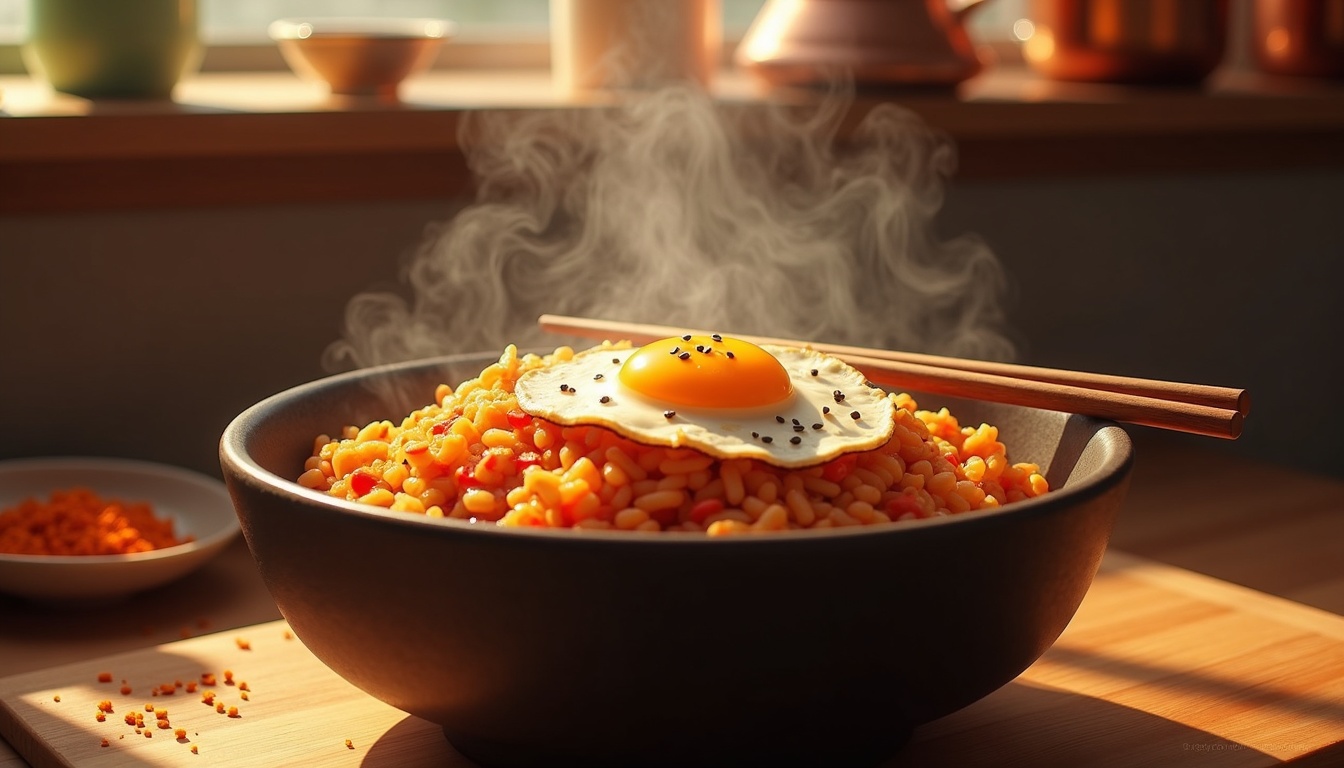
I Made Kimchi Fried Rice Healthy Without Ruining It
Traditional kimchi fried rice is already more nutritious than most wellness food. Here's what I changed — and what I deliberately left alone.
The 3pm Crash Isn't Normal — It's a Timing Problem
That wall you hit at 3pm isn't weakness. It's your circadian system running a process at the wrong time.

4-7-8 Breathing Is Fine. This Is Better.
There's a more precise method — less memorable as a ratio, more effective as a nervous system intervention.

The 5-Minute Morning Habit That Changed My Whole Day
I spent years optimising my morning for productivity. The change that actually worked took five minutes and cost nothing.

You Don't Need the Gym — You Need to Move Like a Korean Grandma
Korean grandmothers are among the most physically capable older adults in the world. Their secret isn't exercise — it's movement woven into life.